Battery Case vs Power Bank: Which Actually Fits Your Day
Both add charge. They differ in what you have to carry, how you charge, and how often you think about either. A practical comparison.
Both a battery case and a power bank exist to solve the same problem. The right choice usually comes down to how you move through a day, not to specifications.
What a power bank is good at
- Capacity per unit of cost is usually higher.
- One unit can charge a phone, a tablet, or someone else's device.
- You can leave it at home when you do not need it.
The trade-off is that it is a second object. It needs its own cable, it takes up a pocket or a bag slot, and it only helps if you remembered to charge it and bring it.
What a battery case is good at
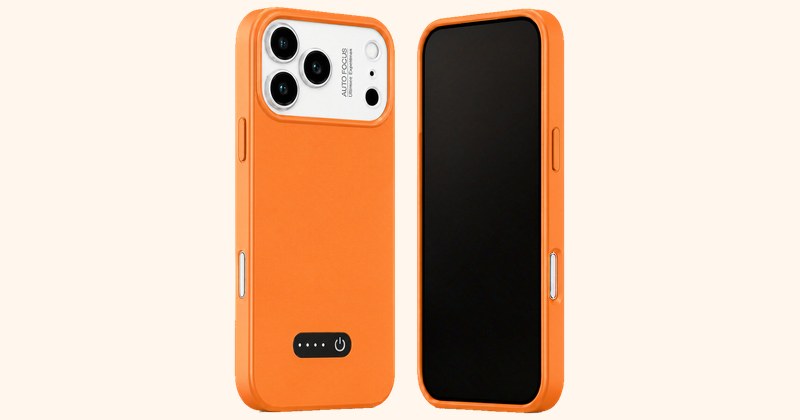
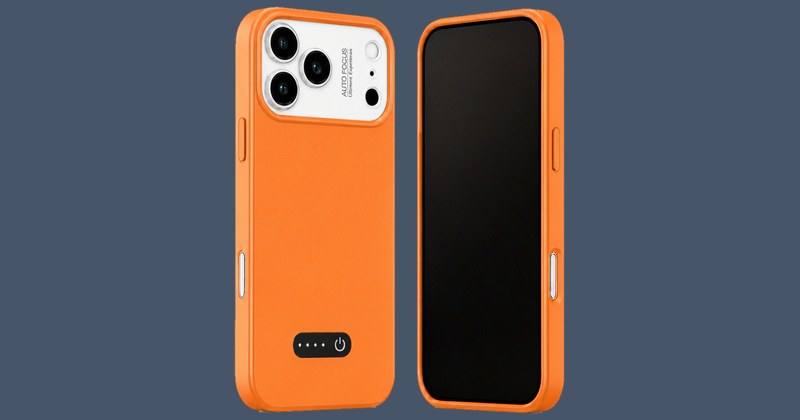
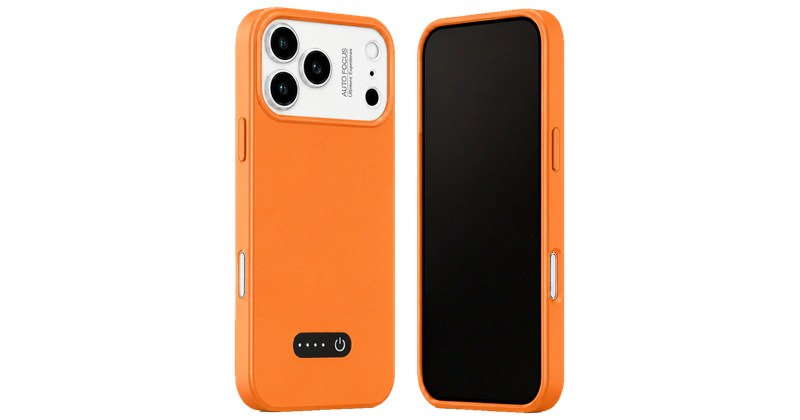
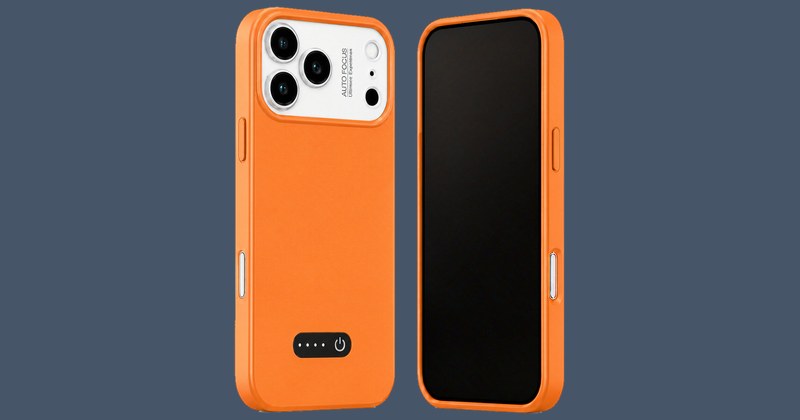
- It is already on the phone, so there is nothing extra to remember.
- It charges the phone while you keep using it.
- It also does the job of a case: protection and grip.
The trade-off is that the capacity is attached to one phone. If you upgrade the phone, the case goes with the old one.
How to choose
If your problem is occasional long days, a power bank in a bag is the more flexible answer. If your problem is that you run low most days, by early evening, on a phone you carry in your pocket the whole time, then an attached case removes a decision you would otherwise make every morning.
Neither is better in general. What matters is whether the fix survives contact with your actual routine.