What Actually Protects a Phone in a Drop
Most of the protection comes from three things, and only one of them is about the material. What to look for instead of trusting a claim.
A drop transfers energy into the phone. A case helps by absorbing some of it before it reaches the body, the screen, or the cameras. How well it does that depends on three things.
One: where the energy goes
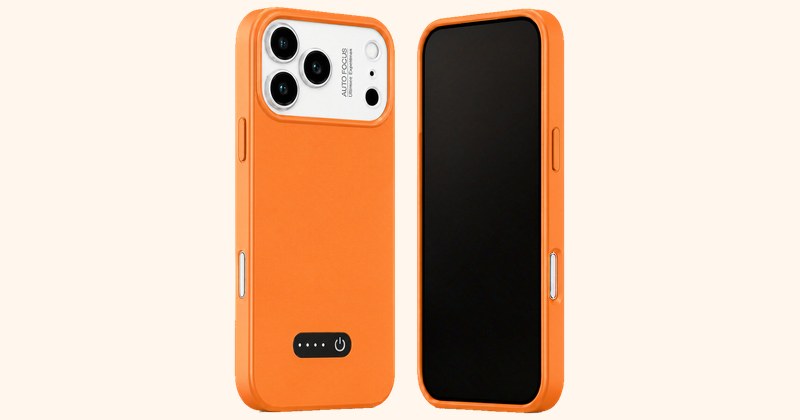
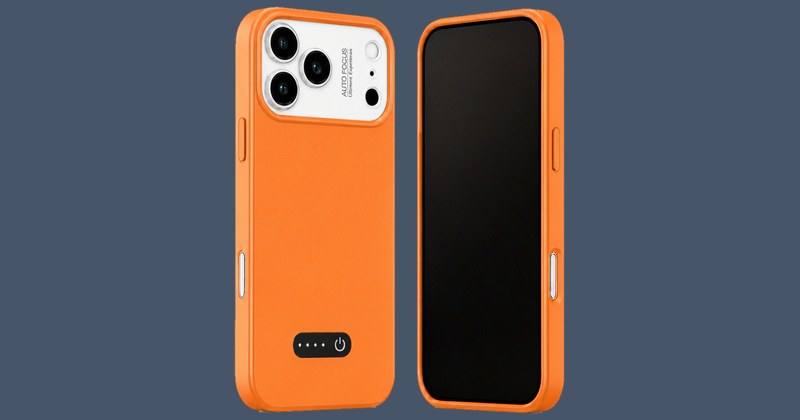
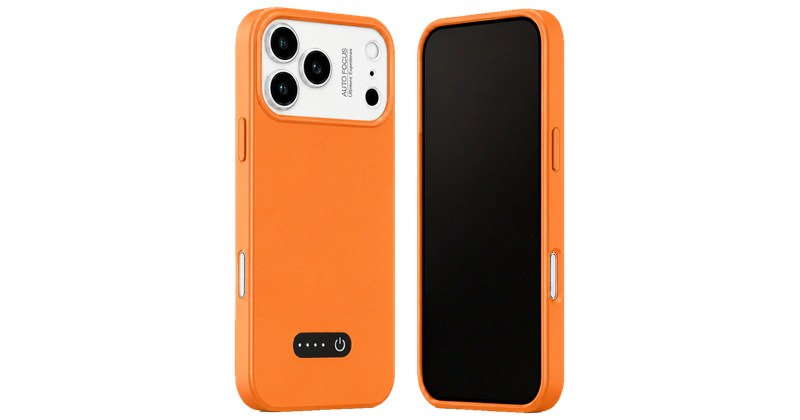
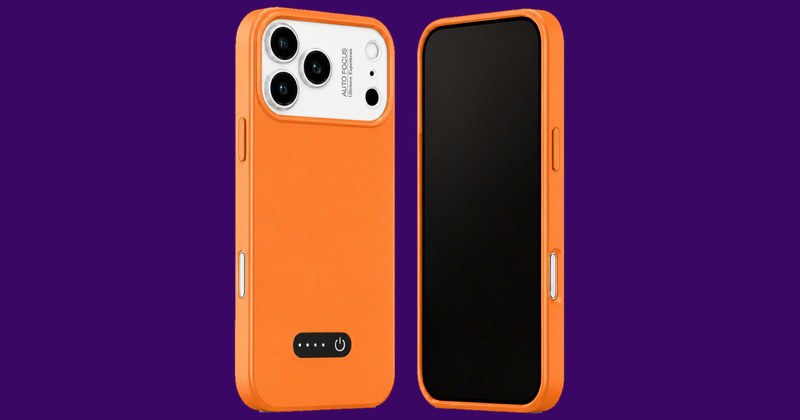
Corners take the worst impacts in real drops, because there is less material to spread the force. Raised lips around the screen and around the camera module keep those surfaces from contacting the ground at all, which is often more valuable than any thickness claim.
Two: how the material behaves
The useful property is not hardness but the ability to deform and recover. A material that flexes and returns spreads the impact over a longer time, which lowers the peak force. A very hard case passes more of the impact through to the phone.
This is why soft-but-resilient materials are common in the outer layer, often combined with a stiffer frame for structure.
Three: how it stays on
A case that shifts on impact moves the load to the wrong place. Snug fit and correct cutouts matter more than they sound. Buttons that need force can also mean the shell is deforming under normal use.
What to check before buying
- Whether the front and camera have a raised edge.
- How the corners feel. They should have some give, not be rigid.
- Fit: no movement when you twist it gently.
- Whether it stays usable: charging, buttons, speaker openings.