Why Your iPhone Battery Drains Faster in Cold Weather
Cold slows down the chemistry inside every lithium battery. Here is what is actually happening, how to reduce it, and why the effect is usually temporary.
If your phone seems to lose charge unusually fast outdoors in winter, nothing is broken. Cold temperatures slow the chemical reactions that release energy inside a lithium battery, so the same battery delivers less usable power in the cold than it does at room temperature.
What the phone is doing
The battery meter is an estimate, not a measurement. In the cold the estimate drifts: the phone may show a sudden drop, or shut down at a percentage that would be fine indoors. Warm the phone back up and the reported charge often returns to roughly where it was.
Cold also raises internal resistance, which means the battery has to work harder to deliver the same current. That is why a phone that is fine at 20 degrees can behave badly at minus 5.
Practical steps
- Keep the phone in an inside pocket rather than an outside one.
- Avoid leaving it in a cold car overnight.
- Expect shorter runtime and plan charging around it.
- Do not charge a very cold battery immediately. Let it return to room temperature first.
Why a second power source helps
In cold conditions the useful fix is usually not to make the phone last longer on its own, but to have more charge available. Carrying extra capacity means you are no longer rationing a single battery in the cold.
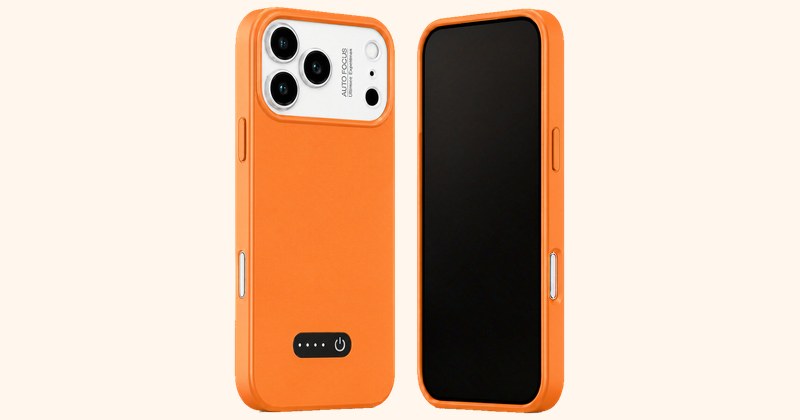
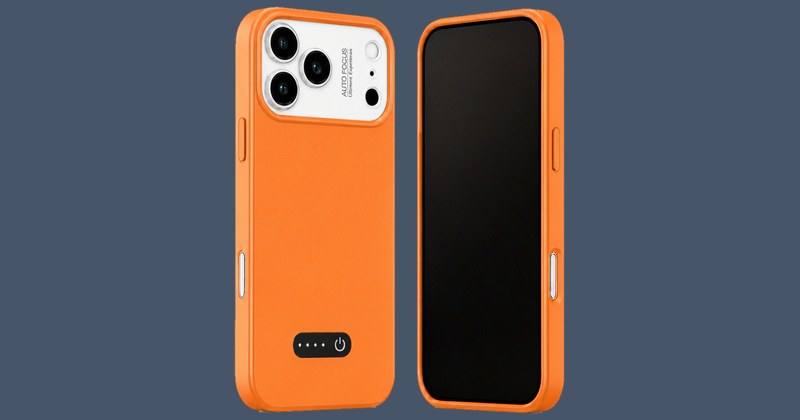
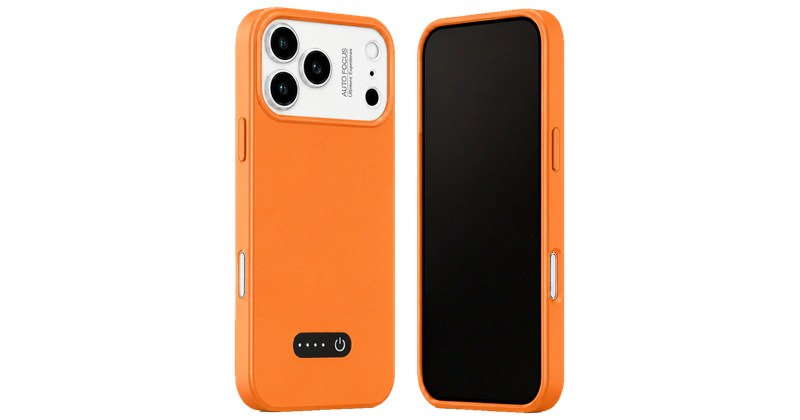
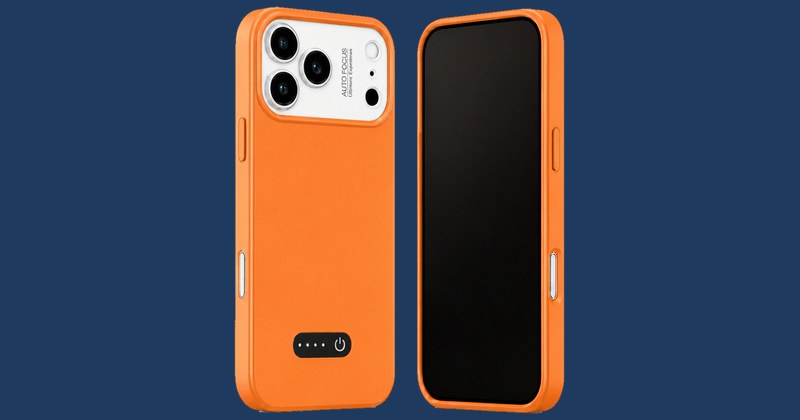
A battery case is one way to do that without carrying a separate device and cable. It keeps the extra capacity attached to the phone, which also means it stays warm in the same pocket. When you get back indoors, both recover together.