Thin Cases and Protection: The Trade-Off Is Real
You can have a thin case or a very protective case, and it is worth being honest about which one you are buying. How to decide for your own habits.
Every case is a set of trade-offs, and pretending otherwise does not help anyone. The useful question is not which is best, but which trade-off matches how you actually use the phone.
What thin buys you
- It disappears in a pocket, and it does not change how the phone feels in hand.
- It keeps wireless charging efficient, because there is less material between the coils.
- It protects against the ordinary: scratches, scuffs, keys in the same pocket.
What it does not do is absorb a serious impact. A very thin shell has little room to deform, so hard drops go mostly to the phone.
What thickness buys you
- More material to deform, which lowers peak force in a drop.
- Raised edges that keep the screen and camera clear of surfaces.
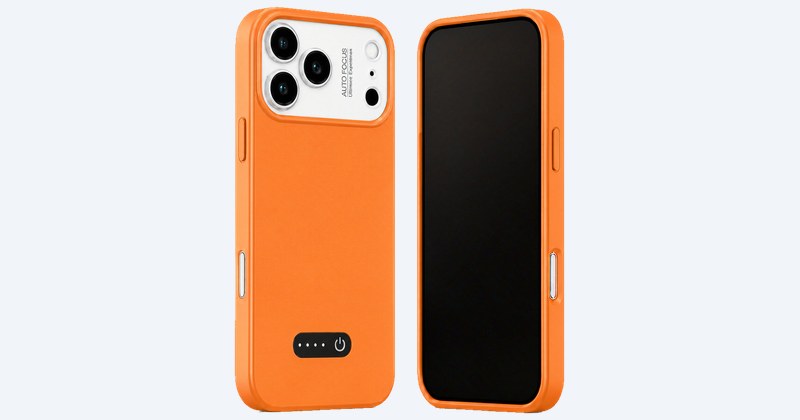
- Often room for extra capacity, which is why battery cases sit at the thicker end.
The cost is in the hand and in the pocket: weight, bulk, and reduced wireless efficiency.
Choosing honestly
- If the phone mostly lives in a bag or on a desk, thin is a rational choice.
- If you commute on a bike, work outdoors, or have dropped a phone before, thickness is worth its cost.
- If your real problem is battery life rather than drops, extra capacity is a better use of the same thickness than extra foam.
Match the case to your week, not to a specification table.