USB-C and Lightning: What Changed for iPhone Users
Two connectors, one meaningful difference for buyers. What the change actually means for cables, accessories, and older phones.
For years iPhone used a single connector. Newer models use USB-C. If you own a mix of phones, or you are buying an accessory, that difference has practical consequences.
What is the same
- Both carry power and data over one cable.
- Both support fast charging when paired with the right charger.
- Neither connector is inherently safer or more durable in a way you would notice.
What is different
The main change is cable compatibility. USB-C is used by most laptops, tablets, Android phones, and accessories, so one cable can serve more devices. That matters most when travelling, where the number of cables you carry is the number of things that can be lost or forgotten.
Data speed and video output also differ on USB-C models, but those differences only matter to people who use the phone as a video source or transfer large files.
What it means for accessories
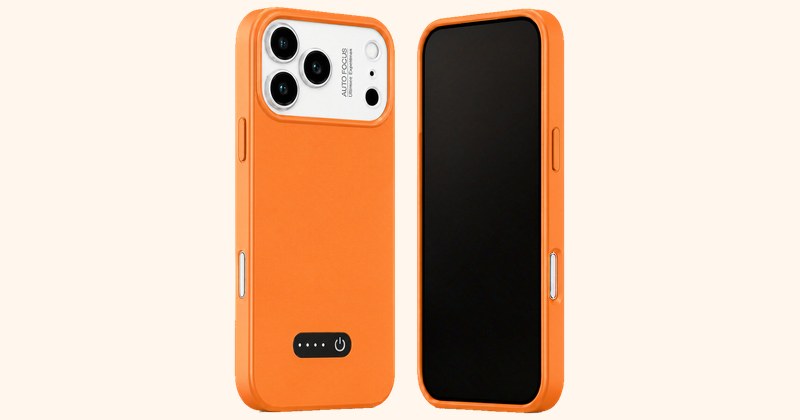
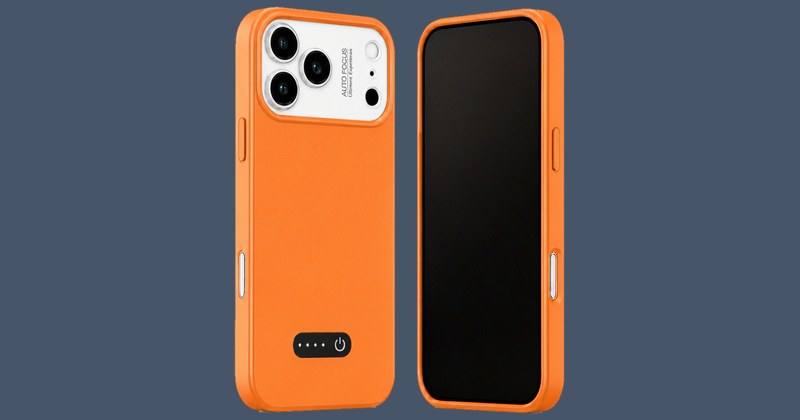
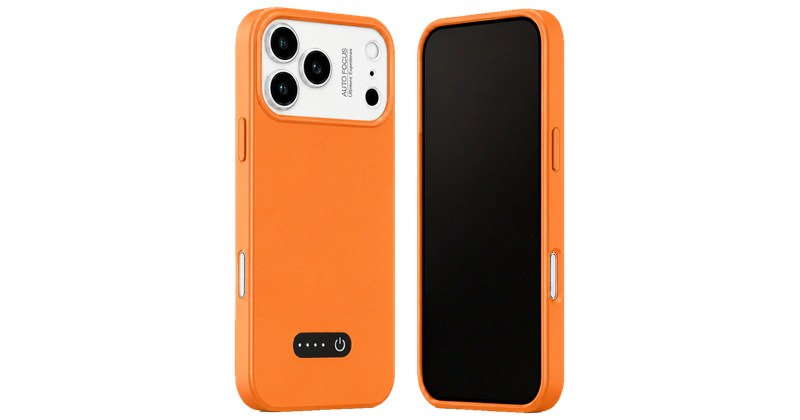
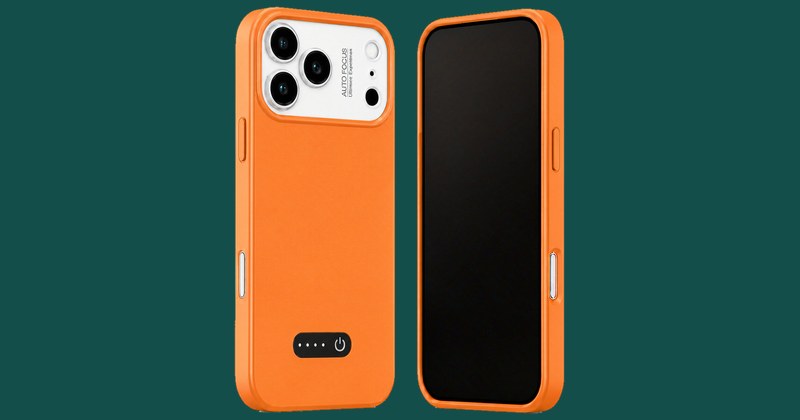
- Charging cases and docks are model specific. Check the model list rather than assuming.
- A case with a built-in connector has to match the phone exactly.
- If you have accessories you like, it is worth checking whether they cover both connector generations.
The buying rule
Compatibility is model specific, and the model list on a product page is the only reliable answer. Everything else is inference.