Why Alignment Matters More Than Wattage in Wireless Charging
A coil that is a few millimetres off can waste a surprising amount of energy. Here is what alignment does, and how magnetic rings and cases affect it.
Wireless charging works by inducing a current across a gap. Two coils have to sit close together and roughly concentric. When they are not, efficiency drops and the energy that does not reach the battery turns into heat.
What misalignment costs you
A small offset is usually tolerable. A larger one shows up in three ways: slower charging, a warmer phone, and a worn-out feeling that the charger is unreliable. The heat is the part worth caring about, because sustained heat is one of the things that ages a battery faster.
How magnets change the picture
Magnetic alignment removes the guesswork. The accessory snaps to a fixed position, so the coils line up the same way every time. That is the main practical benefit of magnet-equipped charging, and it shows up as consistency more than as a headline number.
Where cases fit in
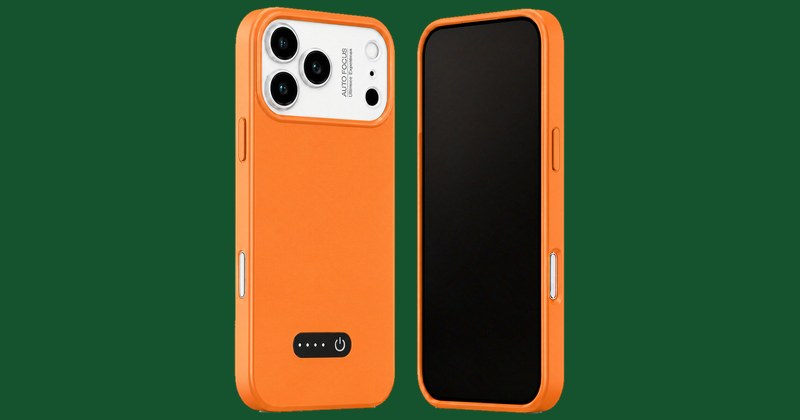
Anything between the coils adds distance. A thin case barely matters. A thick one, or one with a metal plate that is not positioned for charging, can reduce transfer noticeably, and in some cases stop it working altogether.
If your phone gets warm and charges slowly on a wireless pad, alignment and case thickness are the first two things to check, before blaming the charger.